The Pattern
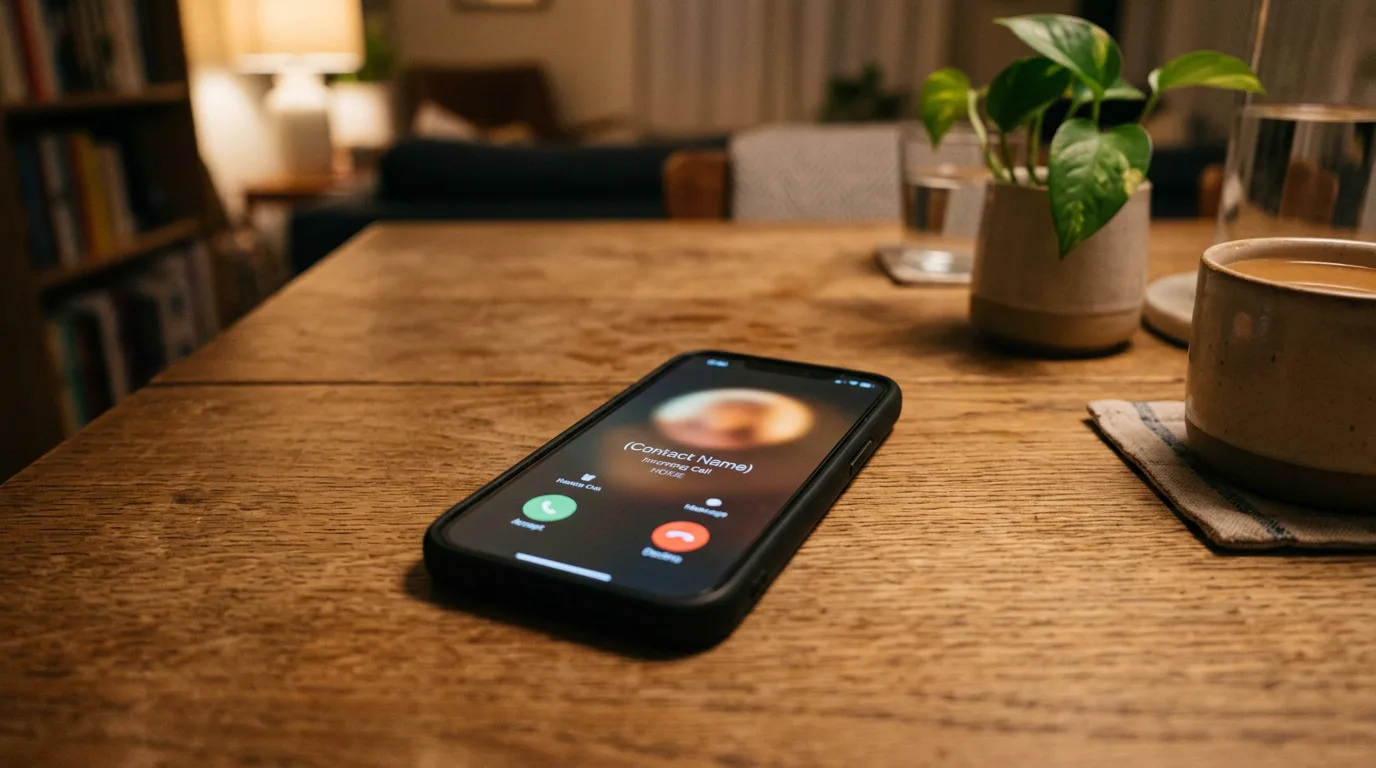
The phone rings. It sounds like your child, your parent, your partner, someone you love. They are in trouble. They need money. They need silence. They need you to act now. A few seconds of audio is enough to clone a voice now. The fear is real, but the emergency may not be.
This guide is for the moment when technology tries to weaponize the people you trust.
What this is
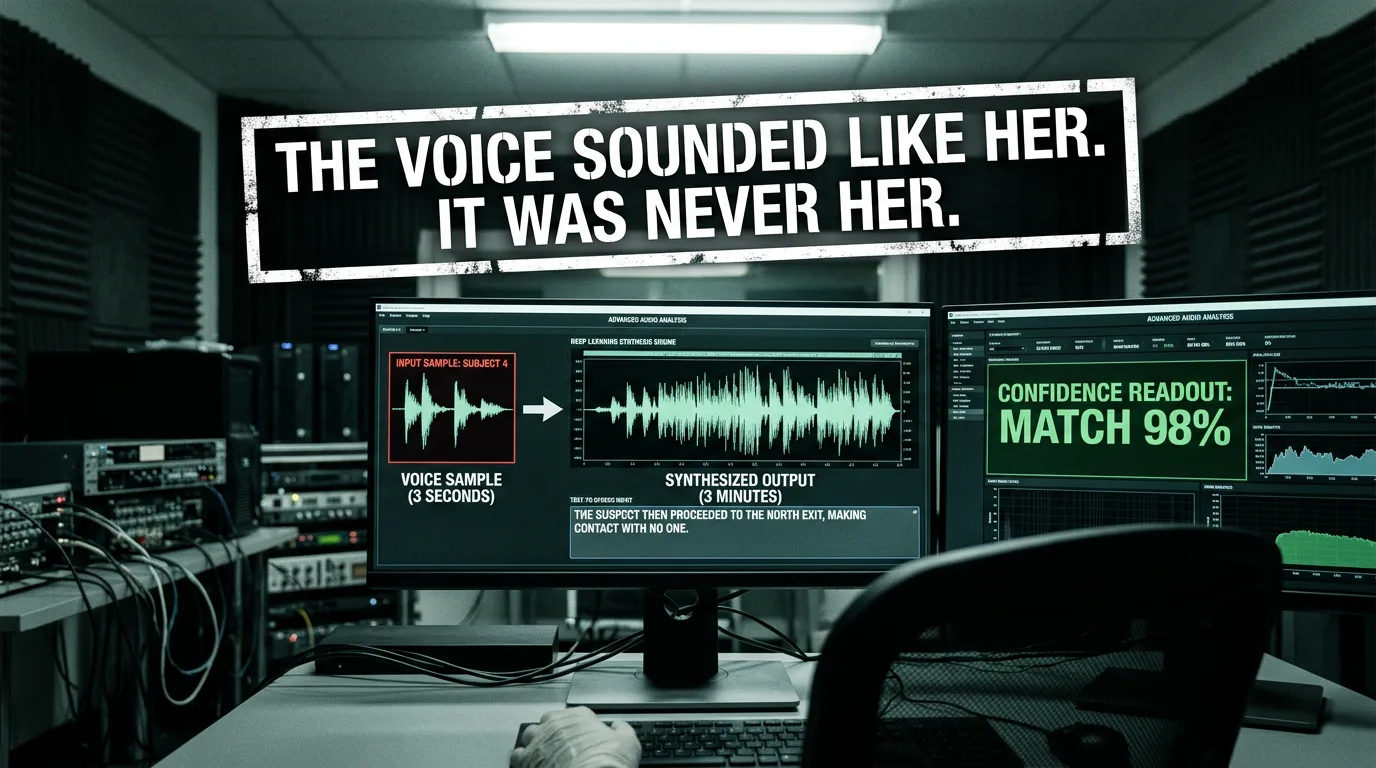
Voice cloning systems analyze a sample of someone’s speech and then produce new audio in that same voice. The sample can come from a voicemail, a social media video, a call recording, or any public clip. Once the model is trained, the attacker can type text and have it spoken in the cloned voice.
The fake audio may be delivered as a phone call, a voicemail, a video, or a message. It can also be combined with a fake video to make the impersonation more convincing.
How it is used against you
- Impersonating a loved one in crisis. A caller claims to be a family member who has been arrested, kidnapped, or injured and asks for money or silence.
- Faking consent or confession. A manipulated audio clip is used to make it sound like you agreed to something, apologized for something, or said something damaging.
- Phishing for information. A voice that sounds like a trusted person asks for passwords, locations, or details about your plans.
- Emotional manipulation. A group or person uses a cloned voice to sound loving, apologetic, or authoritative, pulling you back into contact.
What to watch for
- The caller insists on urgency and secrecy. Real emergencies rarely require you to act without telling anyone.
- The voice sounds close but slightly flat, breathless, or emotionally wrong.
- The caller asks you to send money, share a code, or reveal your location.
- The call comes from an unusual number or app, even if the voice claims to be someone whose phone you know.
What to do now
- Hang up and call back. Use a number you already know, not one the caller gives you. If the person is really in trouble, they will confirm it.
- Use a code word. Agree on a private word or phrase with close family and friends. A cloned voice will not know it.
- Slow down. Scammers and controllers rely on urgency. Any real emergency can survive a five-minute pause.
- Record or screenshot. If you can do so safely, preserve the audio or message. This may be useful later.
- Protect your own voice samples. Be cautious about posting voice messages or videos that could be used to clone you. If you are in a public dispute, this matters more.
- Tell someone outside the situation. A second person can help you verify and resist pressure.
When to get help
If someone is using a cloned voice to threaten you, extort money, or impersonate you to others, document what you can and contact a local advocate, legal aid clinic, or law enforcement. Fraud and harassment using AI are increasingly recognized, even if the laws in your area are still catching up. The FBI’s 2025 Internet Crime Report tracked AI-related fraud as its own category for the first time and recorded $893 million in losses — this is common enough that reporting it is worth doing, not a story too strange to be believed.