Recognizing
Deception
Deception works by making the deceived person feel like the problem is themselves. The signs below are not evidence of personal failure. They are the fingerprints of a system designed to exploit trust.
Start with the part of your life or the claim you want to understand.
You can explore without deciding what it means.
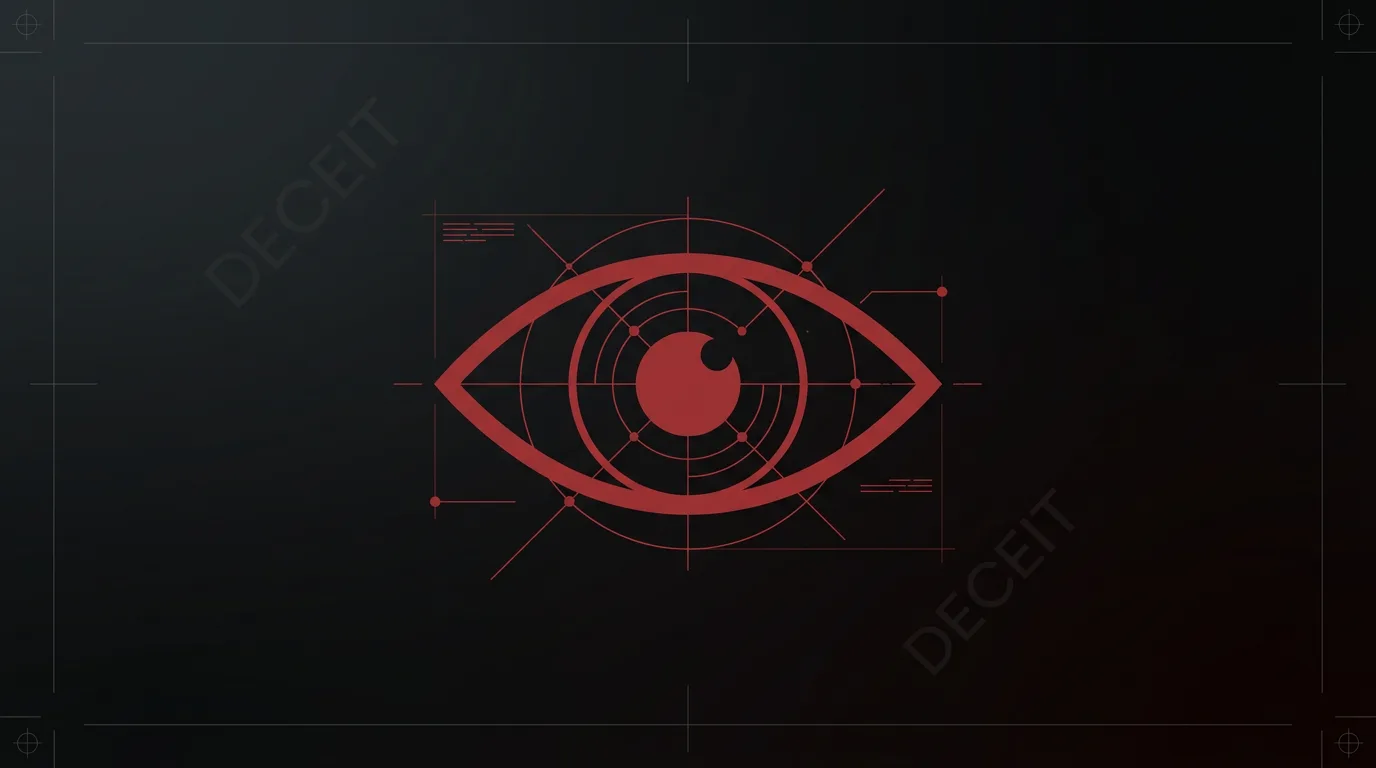
THE FOUR CONTROL MECHANISMSSIGNAL MAP
Deception uses a combination of four mechanisms to gain and maintain control. They often appear together.
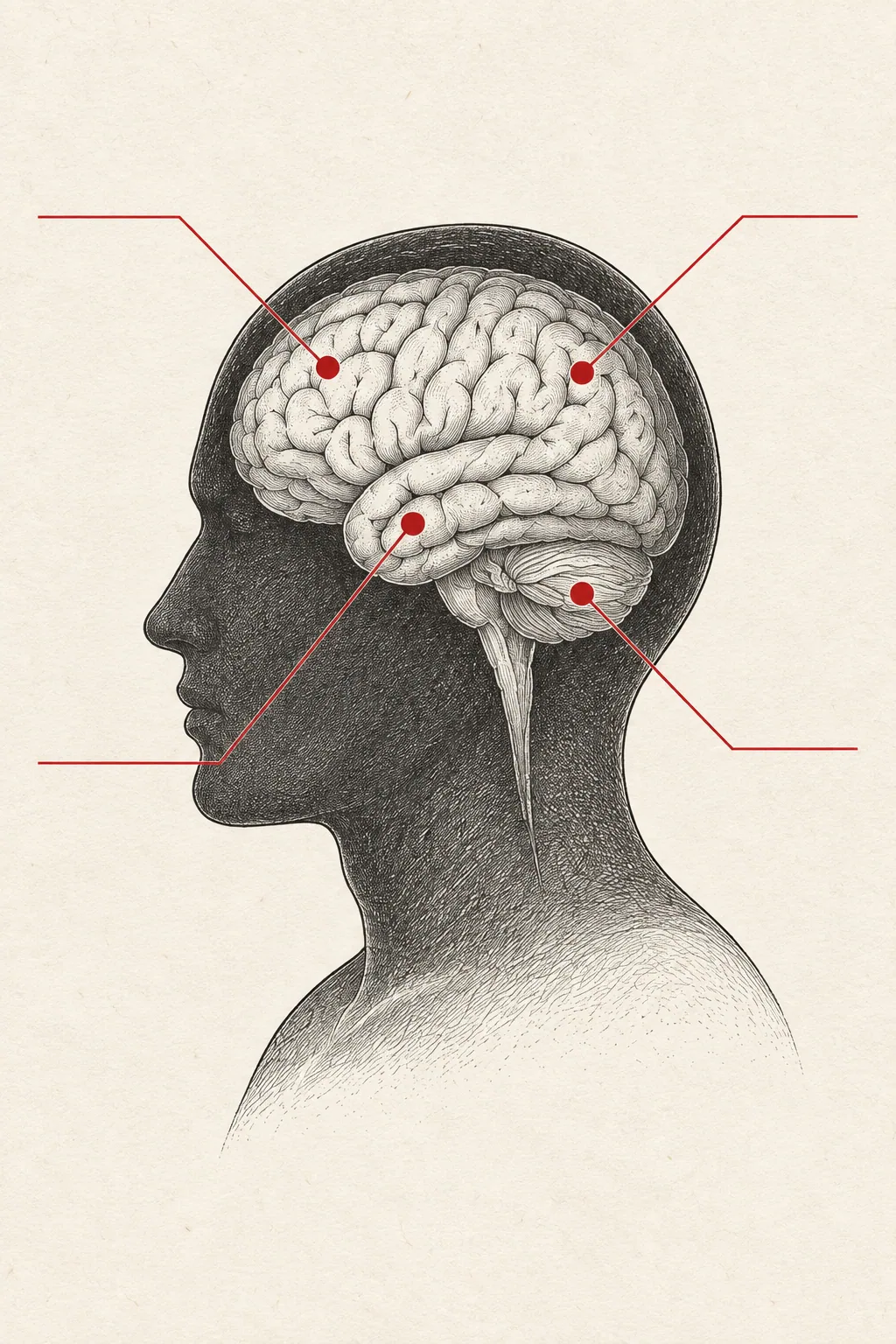
Isolation
Limits your access to other people, perspectives, and sources of support, making you more dependent and easier to influence.
“Keeps you alone.”
- Discourages outside relationships
- Creates us-versus-them dynamics
- Controls communication
Pressure
Creates a sense of urgency, fear, or obligation so you cannot think clearly. Pushes you to make decisions quickly and second-guess yourself.
“Keeps you reactive.”
- Threats, time pressure, or fear
- Induced guilt or obligation
- No room for a considered no
Information
Controls what you know, see, and believe. Distorts, withholds, or floods you with information to create confusion.
“Keeps you confused.”
- Lies, half-truths, or omissions
- Information overload
- No safe way to verify
Accountability
Avoids responsibility and shifts blame. Makes you work harder to fix what is not yours to fix.
“Keeps you self-blaming.”
- Denial or reversal of blame
- Moving the goalposts
- Punishment for questioning
What are you trying to understand?
Choose a context to see the signs most relevant to it. This is a guide for reflection, not a diagnosis or a verdict.
Cults
8 SIGNS
A cult is not defined by its beliefs. It is defined by its control structure: isolation, information control, financial extraction, and the punishment of doubt.
Isolation from outsiders
You were encouraged or pressured to cut contact with family, friends, or anyone who questioned the group. The framing was always that outsiders "do not understand" or "would pull you away from God/the mission/the truth."
Financial control or extraction
You were expected to give a percentage of income, donate property, work for free, or buy products from the leader. Leaving would mean financial ruin because your resources went to the group.
Information control
You were told to avoid secular media, critical websites, or "worldly" information. The group was your only source of truth. Outside information was framed as dangerous or demonic.
Love bombing then withdrawal
When you joined, you were showered with attention, community, and belonging. Once committed, the warmth became conditional on compliance. Disagreement produced coldness, exclusion, or punishment.
The leader is beyond accountability
The leader's behavior cannot be questioned. Criticism is reframed as spiritual attack, disloyalty, or rebellion. The leader lives by different rules than the members.
Leaving is framed as spiritual destruction
You were told that leaving would bring divine punishment, curses, loss of salvation, or harm to your family. The exit was made to feel like self-destruction rather than liberation.
Confession is used for control
You were required to confess sins, doubts, or struggles to leadership. The information was then used to monitor, correct, or discipline you. Vulnerability became a tool of surveillance.
The group is your entire world
Your social life, work, housing, relationships, and identity are all inside the group. There is no outside network to return to. This is not accidental. It is the architecture of captivity.
Religion
10 SIGNS
Not all religious communities are controlling. But when a church uses guilt, fear, information control, or financial extraction to maintain compliance, it has crossed from faith into manipulation.
Guilt as the primary motivator
The message was not "God loves you" but "you are falling short." Grace was a background concept. Guilt was the daily operating system. You could never give enough, serve enough, or be pure enough.
Doubt is sin
Questioning the pastor, the doctrine, or the church was treated as spiritual failure. You were told to "trust God" when you were really being asked to trust the leadership. The conflation of God with the leader was the control mechanism.
Prosperity theology
You were told that giving money to the church would bring financial blessing. You gave. The blessing did not arrive. The explanation was always that your faith was insufficient, not that the theology was false.
Fake miracles or prophecy
Healings, prophecies, or "words of knowledge" were staged, fabricated, or manipulated. When they did not work, the failure was attributed to your faith, not to the fraud.
No accountability for leadership
The pastor or leadership was not subject to oversight, financial transparency, or external review. There was no board, no audit, no mechanism to force a reckoning. The structure itself was the protection.
Secular information is dangerous
You were warned against reading critical books, visiting "apostate" websites, or engaging with non-believers intellectually. The control of information was framed as spiritual protection.
Leaving means losing everything
Your friends, your community, your identity, and sometimes your family are inside the church. Leaving is not just a theological decision. It is a social and emotional collapse. That is by design.
Shunning those who leave
You watched people who left get cut off completely. Family still inside was forbidden from contacting them. The community treated them as dead. You knew that if you left, you would lose everyone you loved.
Medical care refused for spiritual reasons
You were told to pray instead of seeing a doctor, stop taking medication, or refuse therapy because it was "worldly." When the condition worsened, the explanation was always insufficient faith. The treatment you were told to refuse was never blamed.
Abuse was covered up
You saw abuse reported and watched the institution close ranks around the offender. Offenders were moved to another congregation. Victims were silenced with NDAs, pressured to forgive, or told to keep it "in the church." The denomination carried liability insurance for abuse claims.
Media
6 SIGNS
Media deception is not just fake news. It is recycled footage, AI-generated images, manipulated context, cherry-picked quotes, and emotional framing designed to bypass critical thinking. The system is optimized for engagement, not accuracy.
You shared without verifying
You saw a viral post that confirmed what you already believed, and you shared it. You did not check the source, the date, or the context. Later, you found out it was false, manipulated, or outdated.
An AI image or video fooled you
You believed a photo or video was real because it looked real. AI generation has eliminated the old tells, extra fingers, blurry edges. The tools are now good enough to fool anyone who does not check.
A fact-checker was wrong
You trusted an AI chatbot, a Community Note, or a "fact-check" that turned out to be incorrect. The authority of the fact-checker was not matched by the accuracy of the fact-check.
The source had an agenda you did not know about
A news source, influencer, or organization you trusted was funded by interests you did not know about. The information was not false, but the framing was shaped by who paid for it.
Recycled footage presented as new
Footage from a previous event, a different location, or a video game was presented as current breaking news. You believed it because it looked like tonight's footage.
The emotional trigger overrode the check
The post made you angry, scared, or righteous. The emotion was the point. While you were feeling, you were not checking. That is the design.
Politics
6 SIGNS
Political propaganda is the oldest form of mass deception. It uses the same mechanisms as cults (isolation, information control, the punishment of doubt, the reframing of questioning as betrayal) but at a societal scale.
A political claim you repeated was false
A politician, influencer, or media outlet made a claim. You believed it and repeated it. Later, fact-checkers showed it was false, misleading, or fabricated. You had already spread it.
You were told the election was stolen or rigged
Claims of widespread election fraud were made without evidence. Courts, election officials, and audits rejected the claims. But the claims were repeated until they felt true.
A political deepfake fooled you
A video appeared to show a politician saying or doing something incriminating. It was AI-generated and spread rapidly before anyone could verify it. The goal was not to fool you permanently. It was to fool you long enough to share it.
A movement used deception to recruit you
A political movement recruited you with claims that turned out to be false, or with emotional manipulation that bypassed your critical thinking. The cause felt urgent. The urgency was manufactured.
You cut off friends or family over misinformation
Political propaganda framed disagreement as betrayal. You ended relationships with people who questioned the narrative. The isolation was the goal, not a side effect.
History was rewritten for you
You were told the Founding Fathers were Christian nationalists, that the Civil War was not about slavery, or that a historical event did not happen. The historical record contradicts the claim. The claim served a political purpose.
Online Spaces
6 SIGNS
Online communities can be lifelines. They can also be traps. The same mechanisms that make high-control groups dangerous (isolation, surveillance, the punishment of doubt, the reframing of cruelty as community) work just as well in digital spaces.
Strangers felt like your only real friends
The community filled something real. The isolation was real. The loneliness was real. The people who preyed on that were counting on it.
Leaving meant being harassed across platforms
You tried to step back and they followed you. New accounts. Different platforms. The same people making sure you knew you could not escape.
You were isolated from outside perspective
The community became your only source of reality. Anyone who questioned it was an outsider who "didn't get it." Your world got smaller while feeling like it was getting bigger.
Harm was reframed as authenticity
People hurting each other was called "keeping it real." Cruelty was "just being honest." The community's dysfunction was its selling point.
You were punished for setting boundaries
You tried to say no and were called fake, performative, or not really part of the community. Boundaries were treated as betrayal.
The community turned on you for not performing pain
You were expected to share your trauma as proof of belonging. When you stopped performing, the support disappeared.
Notice what repeats.
Click a sign once for somewhat, twice for definitely, again to clear. Your checks are saved on this device. Nothing is sent anywhere.
Choose a context, then mark only the signs that feel relevant. Click once for "somewhat," twice for "definitely." This guide cannot determine what happened or make a diagnosis.
IF YOU RECOGNIZED YOURSELF HERE