
The Pattern
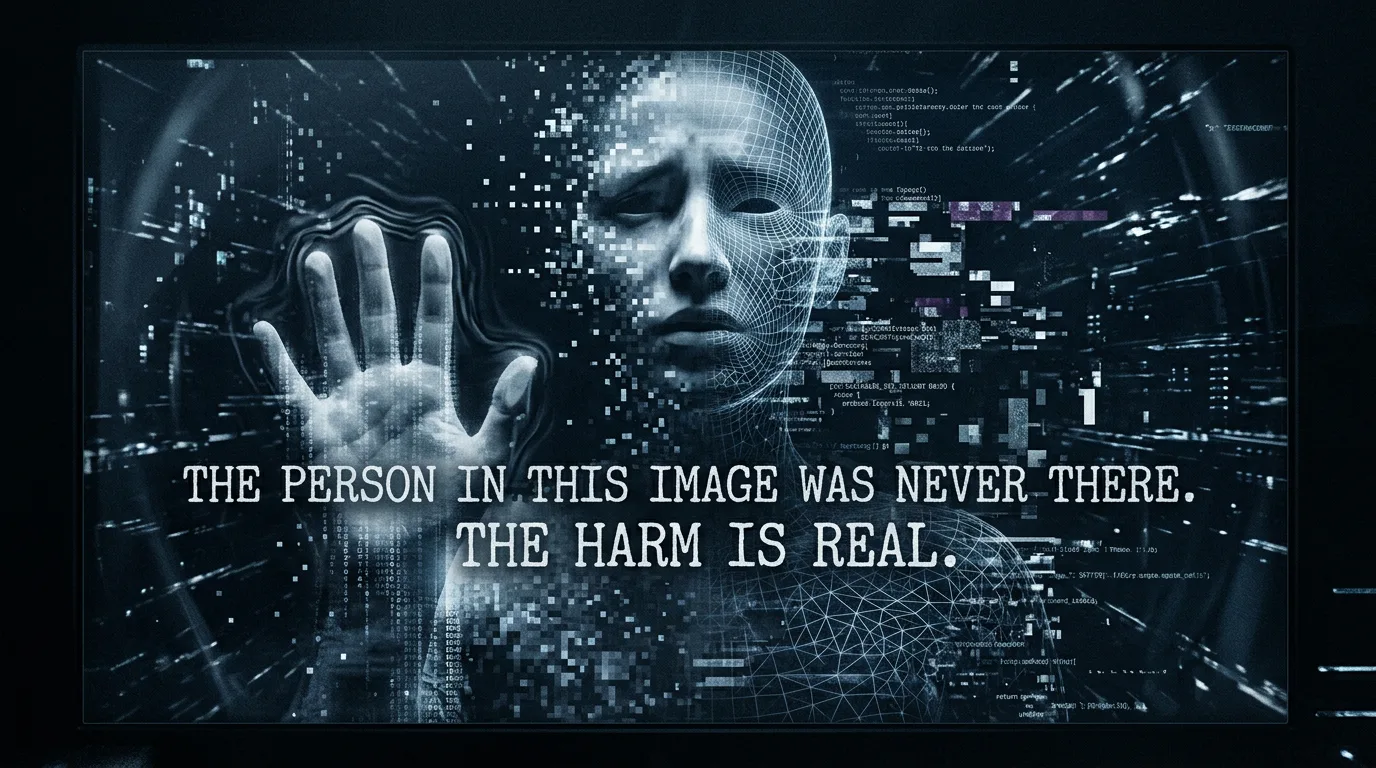
A video appears. You are in it. You are saying things you never said, doing things you never did. It looks real enough to make someone doubt you. Maybe even you. That is the point. Deepfakes are not about truth. They are about control.
You do not need to become a tech expert. You need to know enough to slow down, breathe, and protect yourself before you react.
What this is
“Deepfake” usually refers to AI-generated video or audio that replaces a real person’s face or voice. The same technology can also produce a still image from a text prompt, such as a fake photo of someone in a compromising situation. These tools are now widely available and require little technical skill.
The image or video may be entirely invented, or it may start with a real photo and alter it. Either way, the person in it did not do what the media appears to show.
How it is used against you
- Fake evidence. A manipulated image or video is presented as proof of cheating, lying, crime, or betrayal.
- Reputation destruction. Intimate or compromising fakes are shared online or sent to employers, family, or friends.
- Blackmail. A person is threatened with release unless they return, stay silent, or send money.
- Reinforcement of deception. A group or person uses fake media to “prove” that critics are evil, sinful, or dangerous.
What to watch for
- You are shown a damaging image or video with no surrounding context, source, or chain of custody.
- The person sharing it demands an immediate reaction and refuses to let you verify it independently.
- The lighting, shadows, or facial movement looks slightly off, though the best fakes may not show obvious flaws.
- The timing is too perfect: the media appears right when someone wants to control a decision or silence you.
What to do now
- Do not share it. Even to defend yourself, sharing spreads the fake and makes it harder to remove.
- Preserve evidence. Take screenshots of where it was posted, who shared it, and any accompanying messages. Save the original URL if you can do so safely.
- Reverse image search. Tools like Google Images, TinEye, or Yandex can show if the image existed elsewhere first.
- Check for metadata. Some images carry metadata showing they were created by an AI tool. This is not always present, but it can help.
- Report the platform. Most platforms have policies against non-consensual intimate imagery and manipulated media. Use the reporting flow and keep a record of your report.
- Ask a trusted outsider. Someone outside the controlling situation can help you verify and decide what to do next.
When to get help
If intimate images are being shared or threatened, you may have legal options. Laws vary by location, but many jurisdictions now have specific protections against non-consensual intimate imagery and AI-generated sexual material. In the US, the TAKE IT DOWN Act makes it a federal crime to knowingly publish non-consensual intimate imagery, including AI-generated fakes, and requires platforms to remove reported material within 48 hours. A domestic violence advocate, legal aid clinic, or cyber civil rights group can help you understand your options.