Framework
Understand
The map is here to reduce self-doubt, not replace lived detail.
People do not all move through deception in the same exact script. The sequence is useful because it helps place familiar shifts in trust, dependence, distortion, and delayed clarity.
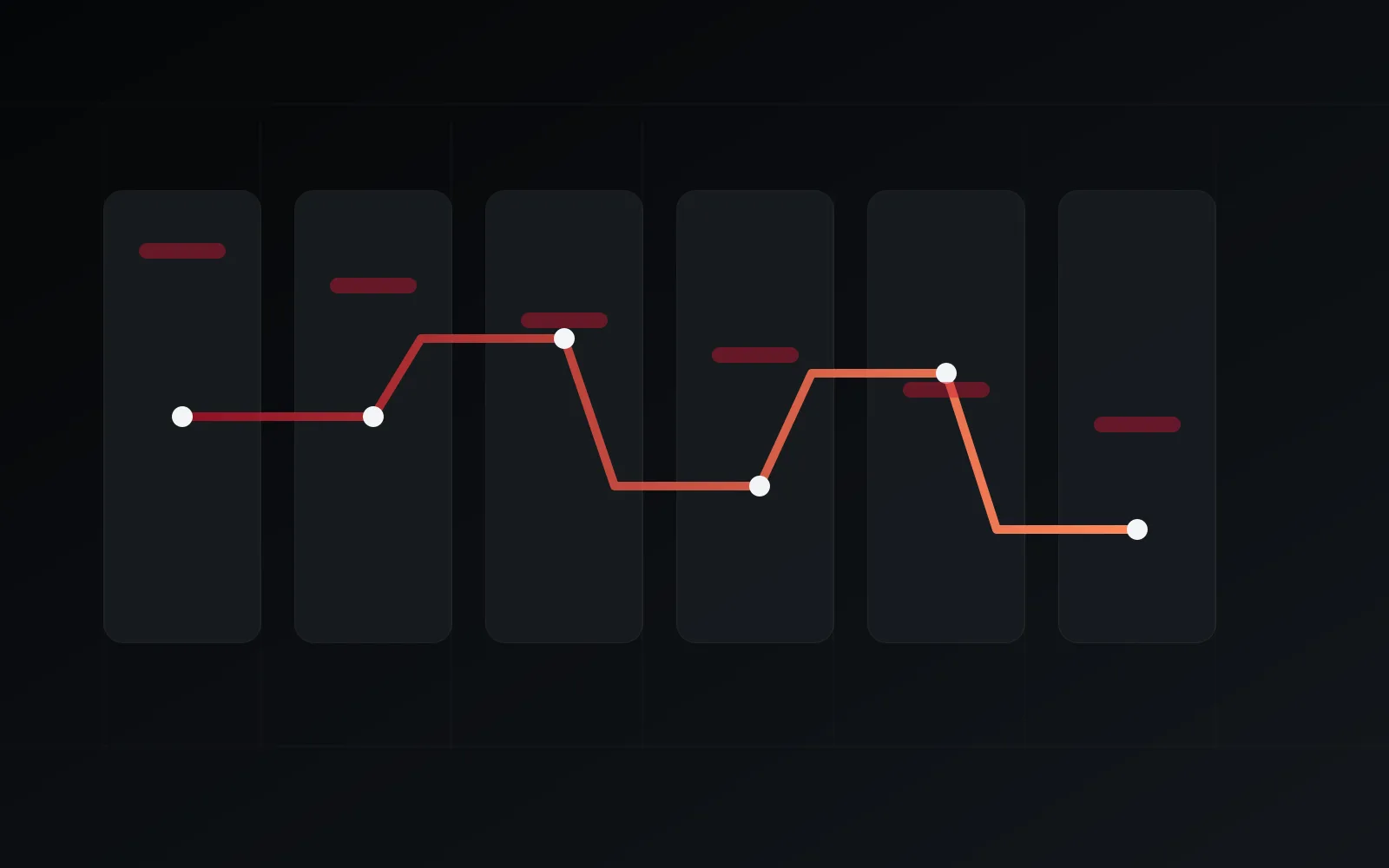
The sequence gets clearer once the steps stop blending together.
Attraction
Something arrives already tuned to a need.
The opening usually feels specific, relieving, flattering, or unusually exact. That is why it is hard to question early.
Alignment
The message starts sounding like your own thoughts.
Language, values, plans, and wounds get mirrored until trust feels faster than it should.
Dependence
Relief gets attached to staying in the loop.
Contact, certainty, approval, or calm become harder to access without the person, system, or script that created the need.
Distortion
Memory, scale, and language start getting edited in place.
You explain away what happened, doubt what you noticed, or keep translating their behavior into something easier to carry.
Entrapment
Leaving starts to feel harsher than enduring.
Hope, fear, shame, logistics, fallout, or role pressure keep making one more round feel cheaper than the cost of interruption.
Recognition
The pattern appears all at once, then keeps appearing.
Clarity rarely feels dramatic. It often feels quiet, late, and impossible to unsee once the sequence snaps into place.
The Deception Sequence
A six-part framework for understanding how deception moves from attraction to recognition.
Why it is hard to leave
An explanation of why leaving manipulation or coercive loops often takes longer than outsiders expect.
What recognition changes
What often shifts after delayed clarity arrives and a pattern stops reading like a private flaw or isolated misunderstanding.
Use the framework with the pattern index, not instead of it.
The framework explains why the experience held together. The pattern pages help name the moves that made the sequence feel personal or unprovable at the time. If the pattern is current, use resources too.