The Pattern
If you are reading this, you already know something is wrong. Maybe your phone dies faster than it used to. Maybe they knew where you were before you told anyone. Maybe they mentioned a conversation you never had in front of them. Surveillance does not always need a hidden camera. Sometimes it lives on the device in your hand: an app, a shared account, a cloud backup, a location setting you forgot to turn off.
This is one of the most common ways control continues after you leave. You are not imagining it. And you are not the only one.
What this is
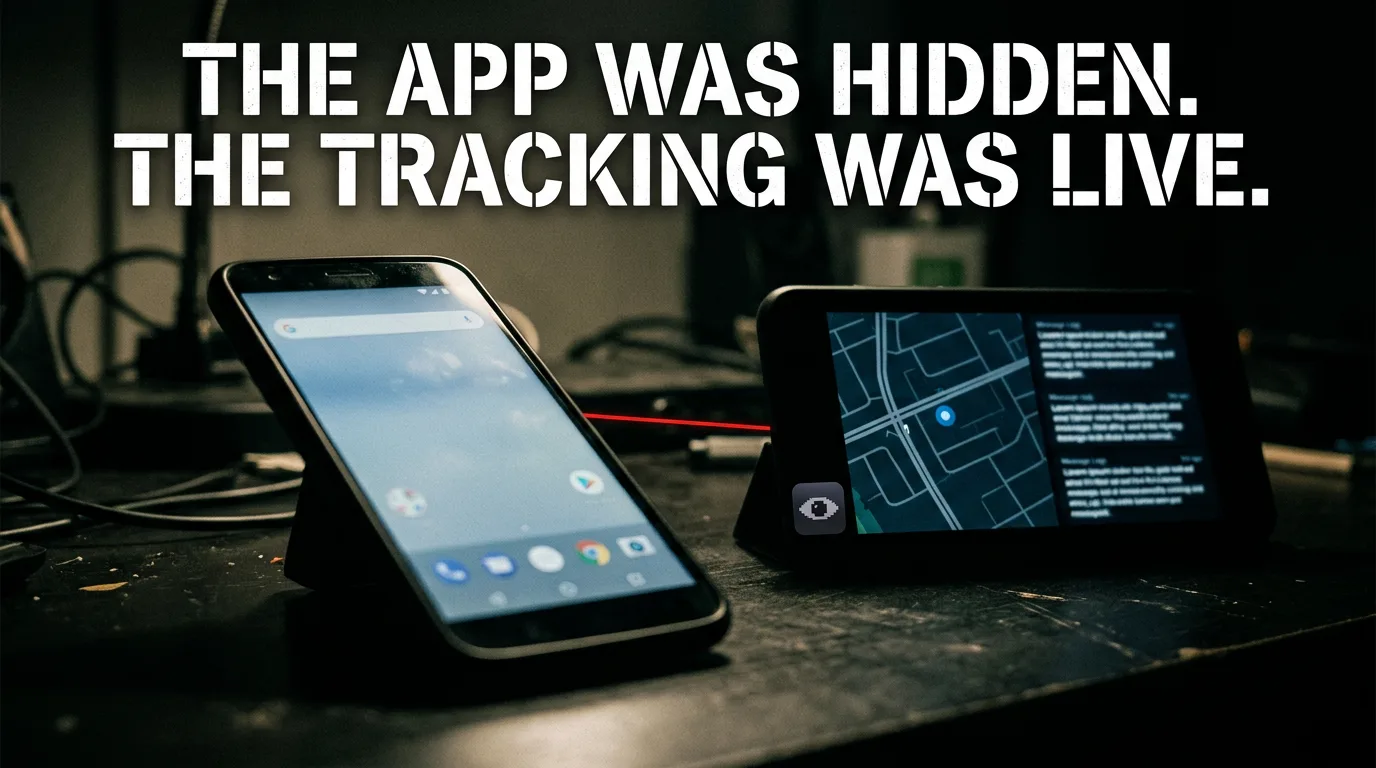
- Stalkerware is software installed on a phone or computer to secretly monitor activity: texts, calls, location, photos, browsing history, and passwords. It is often marketed as “parental control” or “employee monitoring” software, but abusers use it against partners and family members. NPR reported domestic violence advocates describing this as one of the most common tools of ongoing control they see, precisely because the software is legal to sell and easy to install.
- Location tracking can happen through stalkerware, but also through normal features: Find My, Google Location Sharing, family plans, fitness apps, photo geotags, or ride-sharing history. If someone has access to your account, they may be able to see everywhere you go without installing anything special.
How it is used against you
- Monitoring after separation. An abuser continues to track your location, read your messages, or listen to your calls.
- Controlling movement. You are questioned or punished about where you went, who you saw, or what you did.
- Gathering evidence. Your private communications, photos, or searches are saved and later used against you.
- Isolation. The fear of being watched makes you stop reaching out, attending support groups, or making safety plans.
What to watch for
- Your phone battery drains faster than usual, or the device runs hot even when you are not using it.
- You see apps you do not remember installing, or apps with generic names like “Device Health” or “System Service.”
- Someone knows your location, conversations, or plans without you telling them.
- Your accounts are logged in on devices you do not recognize, or you keep getting “new device” notifications.
- Your phone was set up by the person you are trying to leave, or they insisted on knowing your passwords.
What to do now
- Assume shared access. If someone knows your passwords, has your Apple ID, or set up your Google account, they may still have access. Change passwords from a safer device.
- Check location sharing. Turn off Find My, Google Location Sharing, Snapchat maps, fitness app sharing, and any other location features. Review which devices have access to your accounts.
- Review cloud backups. iCloud, Google Photos, OneDrive, and similar services can give someone access to your photos, messages, and location history.
- Use a safer device. If you suspect stalkerware, a trusted friend or advocate may be able to lend you a clean phone for planning and communication.
- Factory reset if needed. A full factory reset can remove most stalkerware, but only do this if it is safe. Back up what you need to a clean account first.
- Be cautious about “helpful” tech. The person who installed surveillance may offer to fix your phone or buy you a new one. A new device can be just as compromised if they set it up.
When to get help
If you believe your device is compromised, do not try to handle it alone if doing so could escalate danger. A domestic violence advocate, tech safety clinic, or cybersecurity nonprofit can help you audit your devices and create a safer plan. Some organizations specialize in helping survivors remove stalkerware safely.